A learn-to-read appAges 4–9

A space adventure that teaches your child to read — one sound at a time.

Your child hears a sound, taps it, builds real words, and reads them in decodable stories — all guided by spoken directions, with tap and AAC-friendly answers. No reading or talking is required to begin, and no diagnosis is needed.

The story that carries it: the galaxy's signals are garbled, and only a reader can clear the static.

7 days free$9.99 / month afteror $59.99 / year — save 50%No download — plays in the browserCancel online

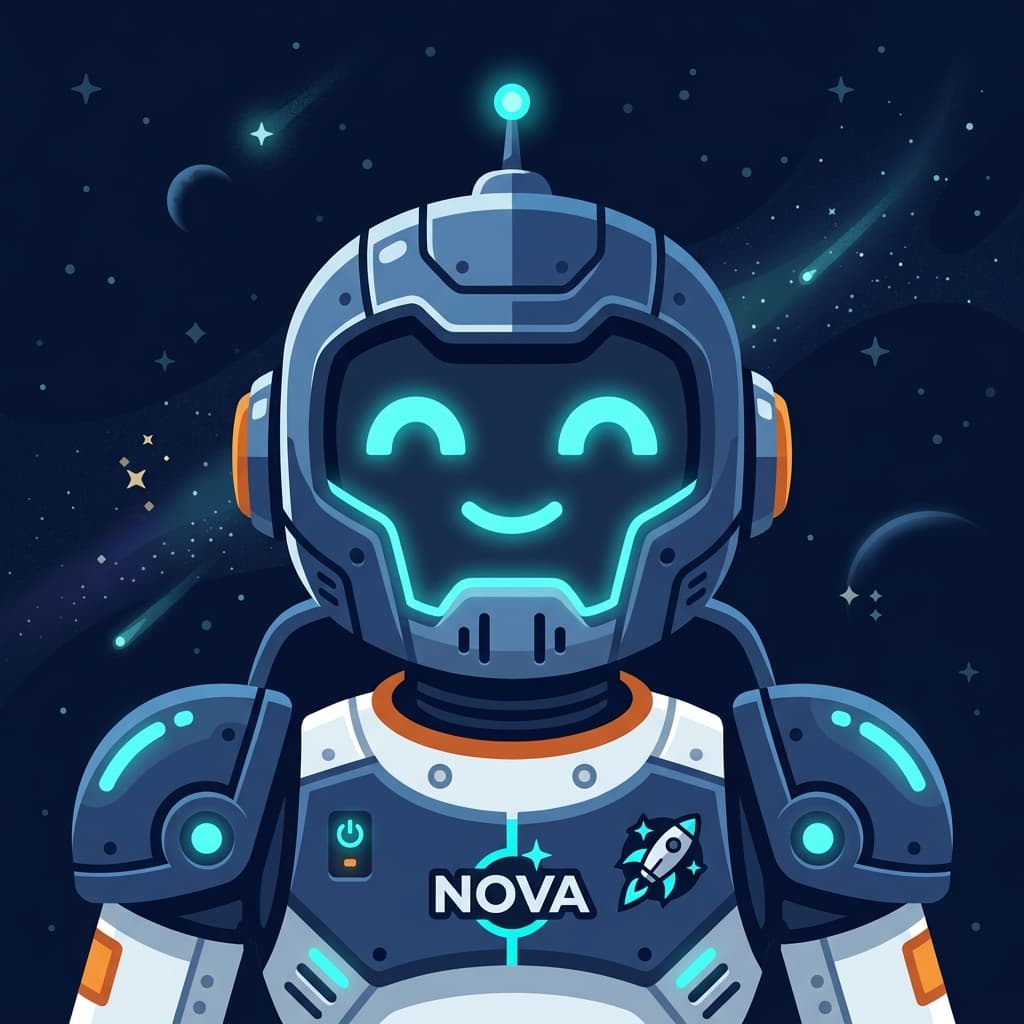
Nova“I heard you working through it. That counts out here.”

Commander Vega“You brought this whole base to life — Glitchlings and all.”

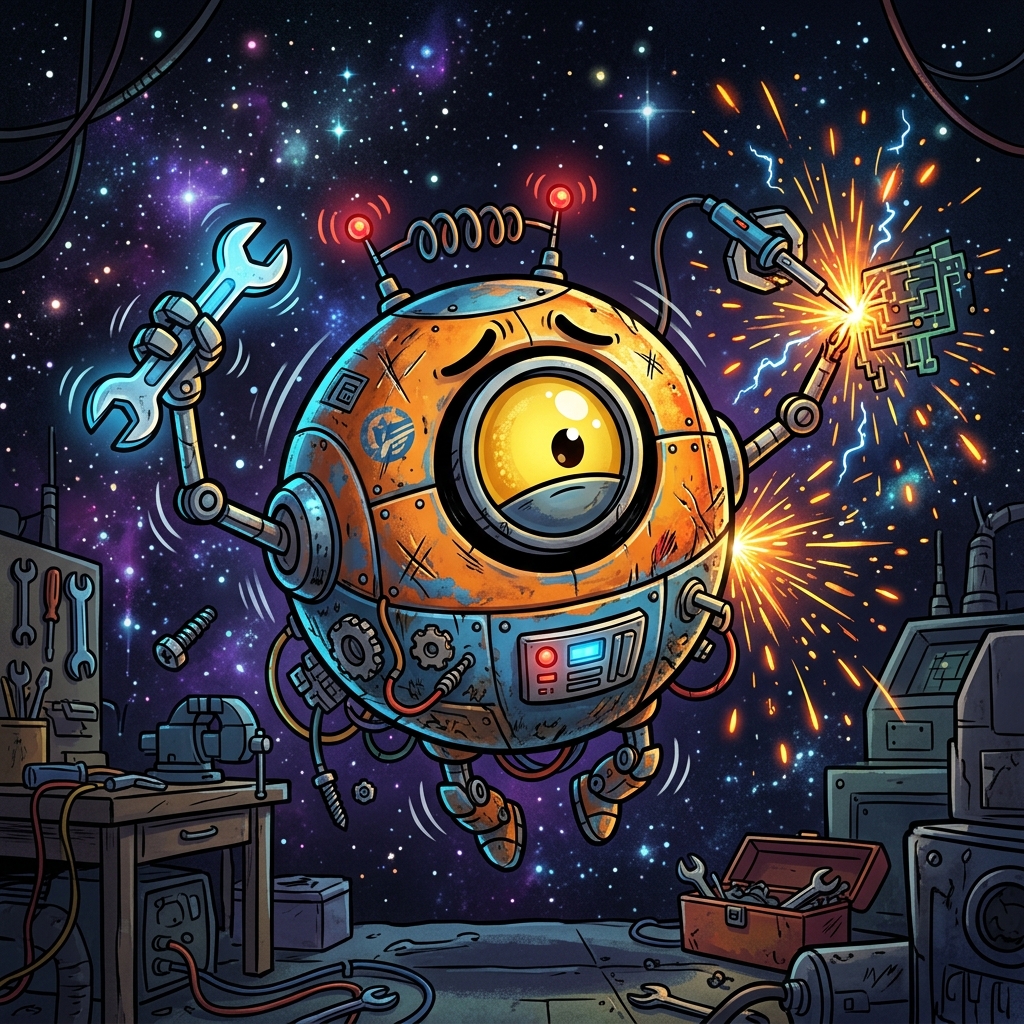
Bolt“Team Bolt-and-Cadet forever!”

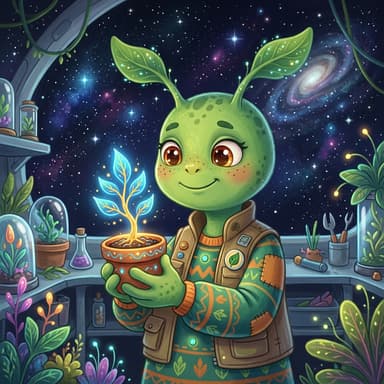
Sprout“The seeds are safe. They like you. I can tell.”

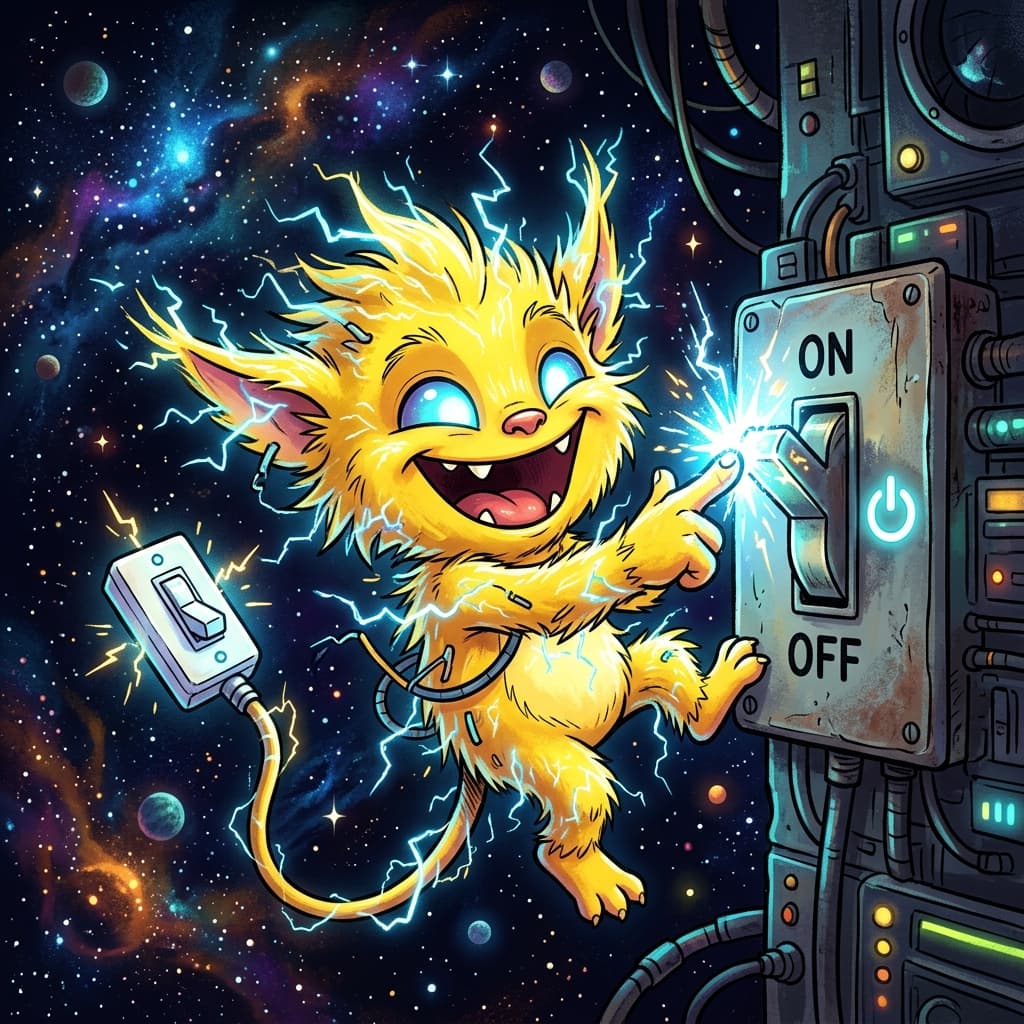
Wanted · FlickerFirst readers need a steady, reliable sound to keep the lights on

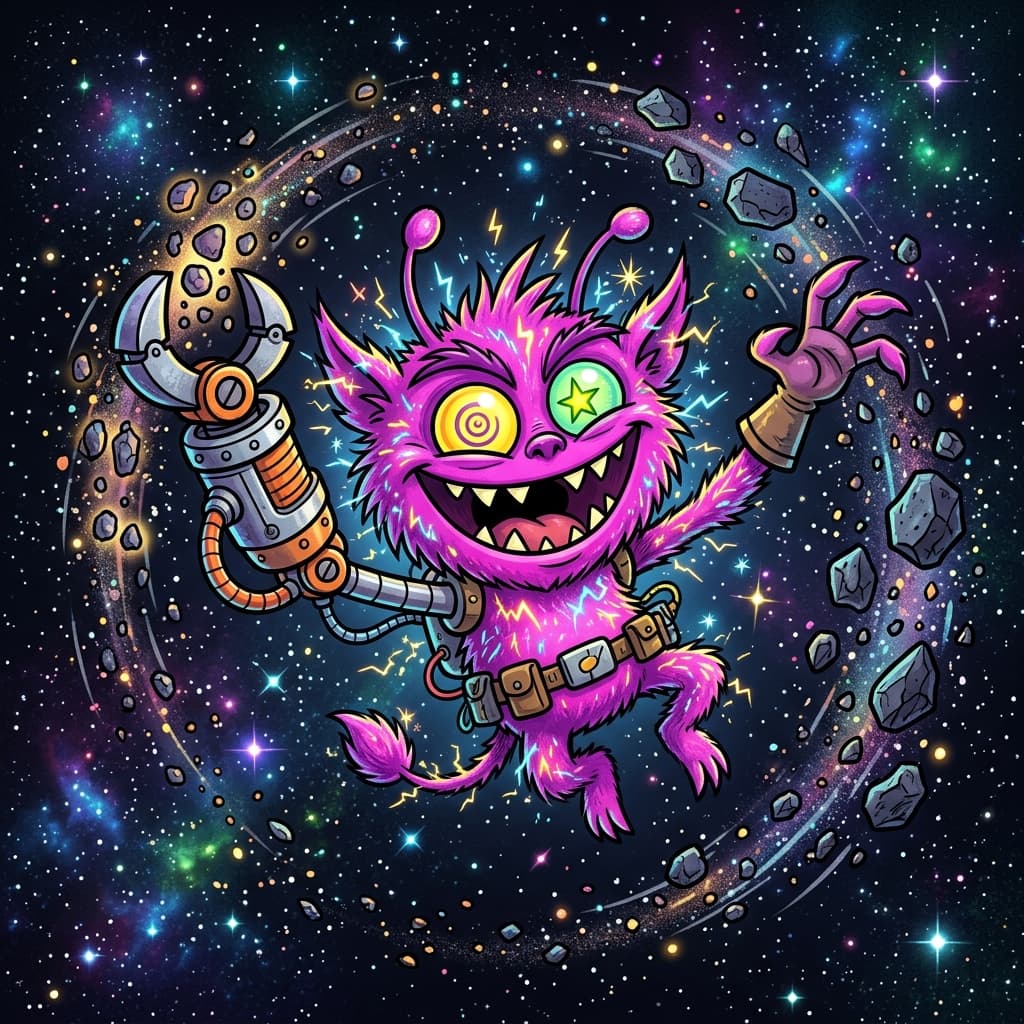
Wanted · TumbleSmooth blending keeps the sounds — and the rover — from tumbling apart

Wanted · ScatterPulls clustered sounds apart; only careful reading gathers them back

Wanted · CrosstalkScrambles letters and garbles communication

Wanted · StutterInterferes with blending sounds together smoothly

Wanted · NibblesSteals letters, leaving words missing sounds

Wanted · BossyOverpowers other sounds; r-controlled vowels need balancing

Wanted · CurdleMixes up vowel-team ingredients that don't belong together

Wanted · ChunkBreaks words into the wrong-sized chunks and syllables

Wanted · EchoCreates false echoes; hides silent letters in plain sight

Wanted · Stitch-UpAttaches the wrong word parts — prefixes, suffixes, mangled morphology

Wanted · JumbleScrambles diphthong and vowel-team blocks out of their correct order

Wanted · HushSteals and silences sounds; advanced spelling patterns need every letter

Wanted · SnipSevers words at the wrong morpheme boundary — prefixes, roots, suffixes

11
planets in one careful sequence
109
phonics skills, taught in order
974
words — every one verified decodable
180
decodable practice sentences
20
real story passages

Flight recorder · Real gameplay

The structure of a reading lesson. The feeling of a game.

These are unretouched screenshots of actual missions. Every mission runs the same evidence-shaped loop: hear the sound, tap it, build words with it, then read it in a real story. Nova speaks every direction aloud — and a 🔈 button on every screen replays the instructions any time, so a pre-reader is never stuck waiting for a repeat.

MISSION · SIGNAL STATION · THE GARBLED GARDEN
A StarSeeker mission in the 3D world: the cadet stands in the Garbled Garden on Signal Station while Nova's spoken direction appears in the caption bar
SYSTEMS CHECK · TAP THE SOUND
StarSeeker systems check: the child hears a sound and taps the letter that makes it, choosing among dd, th, ck, ff, ll and ss tiles

Hear it, tap it

Nova says a sound out loud. Your child taps the letter that makes it — no reading required to play, no microphone required to answer.

THE FORGE · BUILD THE WORD
The Forge minigame: empty letter slots and tappable letter blocks (th, sh, ch, p, i, wh, ng) the child taps in order to build a word

Build it, sound by sound

Words are forged from letter blocks in order — the same blending work a reading tutor drills, dressed as shipyard work.

SIGNAL DECODER · CLEAR THE STATIC
Signal Decoder minigame: the sentence “I see a ___” with a garbled word, and six word choices — man, map, tap, nap, sap, mat

Read it for real

A word in the signal is garbled. Your child reads the sentence and picks the word that fits — decoding with a mission-critical reason to care.

Reading missions pay out in cargo — spent in a full 3D building world your child designs block by block. A daily Mission of the Day drops a bonus cargo chest, and a separate Math Galaxy adds five playable math planets to the same adventure.

Incoming transmission · The story

King Garble broke the galaxy's words. Readers fix them.

Every planet has a Glitchling scrambling its signals — stealing letters, garbling mail, jamming beacons. Every mission is the same quiet trick: the way you defeat a villain is by reading. Nobody fights. Somebody decodes.

Bolt, The Little Repair Robot

Crew file

Bolt

The Little Repair Robot

Bolt is the anxious, big-hearted sidekick who's always mid-repair and always in a hurry. He loses his toolkit, breaks what he's fixing, and leans on your child to set things right — building real trust one mission at a time.

Team Bolt-and-Cadet forever!
Flicker, The Switch-Flicking Spark

Glitchling file

Flicker

The Switch-Flicking Spark

Flicker is a quick, zappy, giggly yellow gremlin with a light-switch tail and one always-sparking fingertip, who genuinely cannot sit still. On Launch Pad he seizes the big launch switch and flips it off, on, off, on — convinced that's how you stop a cadet. A steady voice is what locks the switch on and sends him flicking out of the room.

First readers need a steady, reliable sound to keep the lights on

Stop! That big launch switch is MINE to flick! Off, on, off, on — forever!
Scatter, The Mess-Making Flinger

Glitchling file

Scatter

The Mess-Making Flinger

Scatter is a hyper, sing-song, mischievous magenta gremlin with two mismatched arms, absolutely delighted by mess. On the Asteroid Belt she flings cargo and pebbles in every direction and dares the cadet to gather it all. Reading — and saying each word out loud — is what pulls the scattered things back where they belong.

Pulls clustered sounds apart; only careful reading gathers them back

I threw your things ALL over the belt! Double the rocks, double the mess! You'll never gather it all!
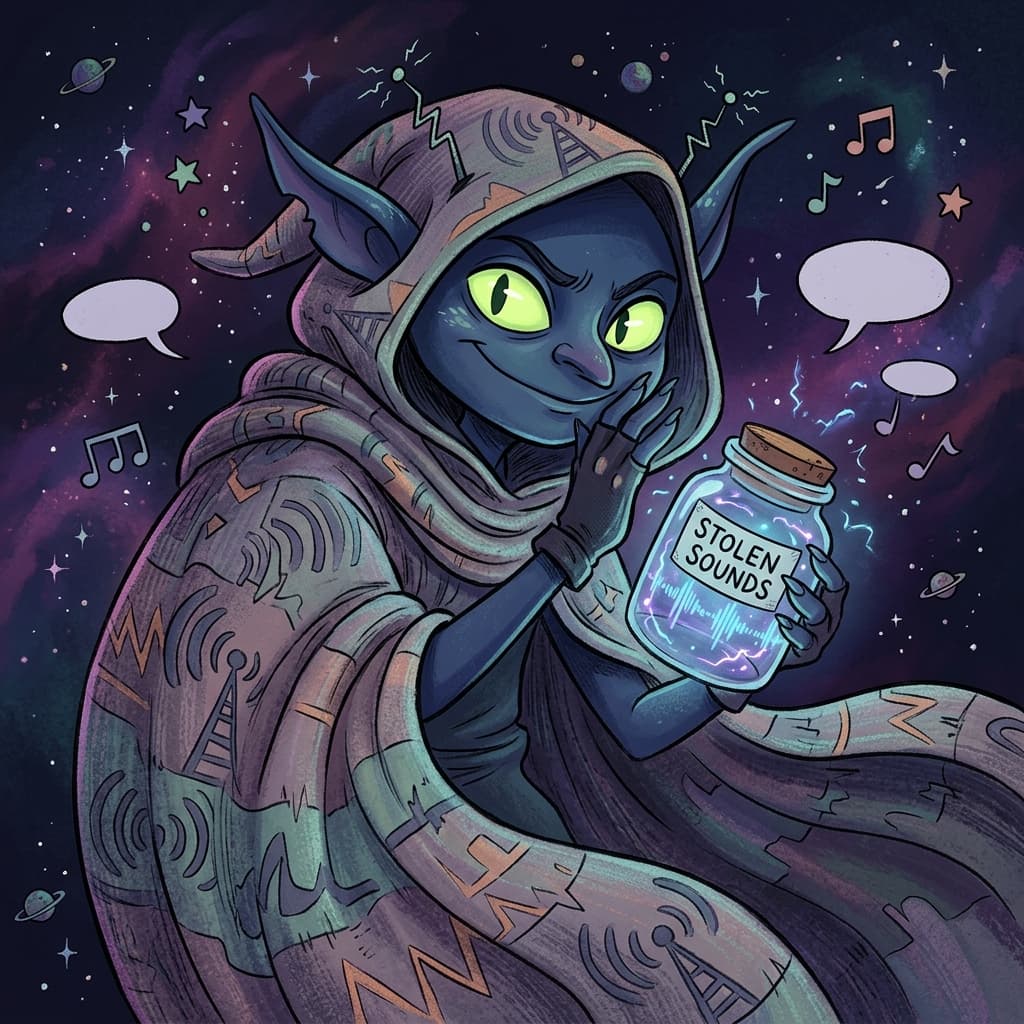
Hush, Elite Guard · The Sound Thief

Glitchling file

Hush

Elite Guard · The Sound Thief

Hush is a slender deep-navy gremlin wrapped in a cape shaped like a muted radio signal, carrying a jar of stolen sound waves and whispering with playful menace. Deep Space's elite guard, he steals the sound right out of the rescue signal — and even Echo thinks he's too quiet. A clear, careful word is what brings the stolen sound back.

Steals and silences sounds; advanced spelling patterns need every letter

Quiet now. Your signal belongs in my collection.

Design orders · Built kind on purpose

Four promises we engineered into the game itself.

StarSeeker began as one dad's build for his son with childhood apraxia of speech — a reading game that would never make talking the price of playing. Those origins are enforced in code, not just promised in copy. It's built for all early readers, no diagnosis required — with extra care engineered in for children who need more time, less pressure, or a speech-optional way to join.

Why families dealing with apraxia choose StarSeeker

Never a red X

There is no failure state anywhere in the game. A miss gets a gentle retry and the skill quietly comes back around later.

No reading required to navigate

Every instruction is spoken aloud. Pre-readers find their way by ear and by picture from the very first tap.

Speaking is powerful — and optional

The game is built to listen kindly and cheer every attempt. Optional voice coaching starts only after a guardian turns it on for that child; StarSeeker discards the recording after assessment unless the guardian separately authorizes a short-lived encrypted Tadamo learning-copy delivery, and every task can always be answered by tap or familiar AAC supports.

Private by design

Child profiles are first-name-only. No ads, no selling data, and guardians hold every control that matters.

GALAXY MAP · THE FLIGHT PATH
The StarSeeker galaxy map: circular planet patches for Launch Pad, Luna Base, Asteroid Belt and Signal Station connected in a vertical flight path, each showing missions completed

Navigation · 11 planets, one sequence

The map is the curriculum.

Each planet is a phonics stage in a careful, systematic order — from first letter sounds on Launch Pad to silent-e and vowel teams deep in the galaxy. It's the explicit, cumulative sequence the Science of Reading calls for, with mastery before advancing. Your child sees an adventure. You see a scope and sequence.

Launch PadLuna BaseAsteroid BeltSignal StationMars OutpostIce Moon+5 more →

Mission control · For grown-ups

You see every skill. They see stars.

The guardian dashboard tracks mastery for all 109 phonics skills, planet by planet — what's solid, what's shaky, and what the game is quietly replaying. Progress you can read at a glance, or bring to a teacher or SLP.

  • Per-skill mastery across all 11 planets
  • Practice minutes and mission history
  • Guardian-only controls behind a separate login
GUARDIAN DASHBOARD · SKILLS BY PLANET
The StarSeeker guardian dashboard's skills view: letter-sound tiles for each planet stage with mastery shading, from Launch Pad through Mars Outpost

Launch sequence

From signup to liftoff.

The grown-up work happens first. A child never has to type an email, manage a password, or make a privacy decision.

  1. 01

    Create the family account

    An adult creates the guardian account, verifies their email, and reviews the child-privacy notice before any child information is requested.

  2. 02

    Begin the seven-day trial

    A payment method starts the trial. Nothing is charged until the trial ends, and billing can be canceled from the family account.

  3. 03

    Set the flight plan

    Add a first name or nickname, then choose observable reading and speaking skills — not a diagnosis. StarSeeker recommends a starting planet, pacing, and a tap or AAC-friendly response path.

  4. 04

    Launch the first mission

    Nova reads directions aloud using prepared game audio. Your child answers by tapping or with their familiar AAC supports.

One family plan

Priced to keep the mission running — not to put help out of reach.

The subscription covers secure hosting, prepared game audio, billing, and ongoing development — with no ads and no data selling, ever. If the monthly fee is too much for your family, email us. The point is to help children practice, not to maximize profit.

Family Access Program — request a reduced rate at support@playstarseeker.com

Family mission pass

$9.99/ month

or $59.99 / year — half the monthly rate, save 50%

after a 7-day free trial

  • Guardian account and child profiles
  • All 11 reading planets and game worlds
  • Tap and AAC-friendly reading practice
  • Grown-up progress dashboard
  • Secure self-service billing and cancellation

A payment method is required to begin. No subscription charge is made until the trial ends. Cancel from your account.

One family · Two missions

Tadamo (tuh-DAH-moh)

The talking app built for kids with apraxia of speech

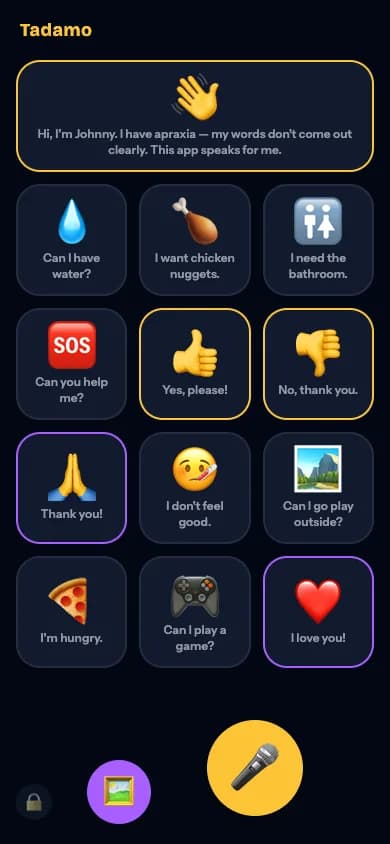
Tadamo is a tap-to-talk board and speech translator. Your child taps a big phrase tile — or just speaks — and Tadamo says it clearly and shows it huge, in a voice that fits them.

  • A picture-tile talking board that works fully offline — zero reading required
  • A speech translator that learns how your child says things
  • Six studio voices — including a true child voice — plus Apple Personal Voice
  • Built for COPPA: audio is transcribed then deleted, nothing is sold, no ads

For families of kids with childhood apraxia of speech or other speech differences — roughly ages 3 to 12.

StarSeeker teaches kids to read. Tadamo gives kids a voice. Both were built at the same kitchen table, for the same kid.

Join the waiting listiOS · TestFlight beta now open
Learn more at tadamospeak.com
The Tadamo talking board: a grid of emoji phrase tiles like 'Can I have water?', 'I'm hungry.' and 'I love you!', and a large golden microphone button.

Mission questions

Clear answers before liftoff.

Read all 30 answers
Who is StarSeeker for?

StarSeeker is built for children learning to decode words, especially kids who benefit from extra modeling, more response time, or a lower-pressure way to practice. It was inspired by one family's experience with childhood apraxia of speech, but no diagnosis is required — any pre-reader or early reader can start.

Does StarSeeker require a microphone or talking?

No. Every mission can be answered by tapping or with familiar AAC supports, so a microphone is never required. Optional voice coaching starts off. A guardian can enable it per child; Microsoft Azure AI Speech then assesses only prompted attempts, and StarSeeker immediately discards the recording without storing audio or a transcript.

What is a reading app that doesn't punish mistakes?

StarSeeker never shows a red X or a 'wrong' verdict. Every mission models the sound, gives generous response time, and adds help when it's needed, so a hard word becomes a chance to try again — not a failure the child has to watch happen.

Can a child with apraxia of speech learn to read?

Yes. Apraxia of speech affects how a child plans and produces spoken sounds, but it doesn't prevent them from learning to decode and understand written words. StarSeeker was built for exactly this: a tap and AAC-friendly reading program that never requires a spoken response to make progress.

Is StarSeeker speech therapy or a medical product?

No. StarSeeker is an educational reading-practice game. It does not diagnose or treat apraxia of speech, and it is not a replacement for a speech-language pathologist, reading specialist, teacher, or medical professional — it supplements that work, it never replaces it.

How much does StarSeeker cost?

StarSeeker costs $9.99 a month or $59.99 a year (half the monthly rate — save 50%) after a 7-day free trial. A payment method is required to start the trial, but nothing is charged until it ends, and a guardian can cancel online anytime from the family account.

Launch preflight

StarSeeker is preparing for family liftoff.

Guardian registration is paused while the final Children's Privacy Notice details are completed. No family information is being accepted yet.