INCOMING TRANSMISSION · FLIGHT MANUAL
A structured phonics program, flown as a space adventure
Every mission follows the same six-step loop, built on a systematic, cumulative phonics sequence — so the structure a reading program needs and the adventure a kid wants turn out to be the same thing.
Mission anatomy
The mission loop
The same six beats repeat in every mission across all eleven planets, so your child always knows what's coming next — only the sounds and skills change.
- 1
Systems Check
A quick warm-up: Nova plays a sound out loud and your child taps the letter that makes it, waking up the sounds they already know before anything new is taught.
- 2
Sound Forge
Nova introduces the new letter-sound directly, with mouth-position coaching so your child sees and hears exactly how the sound is made, not just what it looks like on the page.
- 3
New Tech
A short beat that names the new skill in plain language — the sound, the pattern, or the strategy your child is about to add to their toolkit for this mission.
- 4
Quest Action
The new skill gets used right away inside the 3D mission world and its story, so it's practiced in context instead of staying an abstract drill.
- 5
Minigames
A rotation of focused games — Word Forge, Signal Decoder, Cargo Sort, Launch Sequence — that build, read, sort, and blend the new sound from every angle.
- 6
Story Mission
Every stage ends with a short, fully decodable story your child reads aloud page by page, using only the sounds and words they've already learned.
Preflight
Placement: start where your child is
Before the first mission, a guardian answers a short set of questions about what a child can already do — not a diagnosis, just observable skills. StarSeeker recommends a starting planet and a support level from those answers, and a guardian can preview or move that starting point at any time.
- 01
Create a guardian account
An adult creates the family account, verifies their email, and reviews the child-privacy notice before any information about a child is requested.
- 02
Answer placement questions
A guardian answers a short set of questions about observable reading and speaking skills — not a diagnosis — such as which letter sounds a child already knows and how they prefer to respond.
- 03
Review the recommended planet and support level
StarSeeker recommends a starting planet and a support level based on those answers. A guardian can preview the recommendation and move the starting point before anything is locked in.
- 04
Optional: take the Star Scan
Before the first real mission, an optional Star Scan turns that estimate into evidence — a few short word reads that walk up when they go well and ease off when they don't. There's no fail language: a missed word is a 'good try,' the scan runs tap-only with no microphone, and a guardian can skip it. The questionnaire placement is always the fallback.
- 05
Launch the first mission
Nova reads every direction aloud, so the child can start immediately by tapping or using familiar AAC supports — no reading, typing, or talking required to begin.
Adaptive by design
It adapts
StarSeeker tracks mastery skill by skill, not just mission by mission. A tricky sound doesn't disappear once a mission ends — it comes back until it's solid.
Mastery tracking per skill
Every one of the 109 phonics skills is tracked on its own, so progress reflects what a child can actually do.
Tricky sounds return
A sound that's still shaky gets folded back into later missions instead of being marked done and forgotten.
Replays route at the gap
When a child struggles, StarSeeker routes replay practice at the specific skill that needs it — not a generic redo of the whole mission.
Stage certification
Finishing a planet requires demonstrated mastery across its skills, so moving on means a child is actually ready for what's next.
Demote-with-grace
If a stage is too much, the game offers a gentle step back one planet — nothing is erased, and the child can zoom back up anytime.
Daily review on a due-queue
Each day's bonus Mission of the Day pulls the words and skills a spaced-review schedule marks 'due,' so practice revisits shaky skills right as they start to slip.
Method, answered
What is structured (systematic) phonics?
Structured phonics teaches letter-sound relationships in an explicit, cumulative sequence, so children only encounter words built from sounds they've already learned. StarSeeker's eleven planets follow this model: each stage introduces new phonics skills, and every one of its 974 words is verified to match what's been taught so far.
That verification is what separates structured phonics from a loose collection of phonics games: nothing your child sees on the page is a guess, because nothing appears before its sounds have been taught.
What are the steps to teach a child to read?
The typical sequence is phonemic awareness, then letter-sounds, then blending sounds into words, then decodable text, then fluency with connected reading. StarSeeker's mission loop mirrors this exactly: Systems Check builds sound awareness, Sound Forge teaches the letter-sound, the minigames drill blending, and Story Mission delivers decodable, fluent reading practice.
Galaxy map
Eleven planets, one phonics sequence
Each planet is a phonics stage. Meet the full sequence, or see the story and characters behind it.

Planet 1
Launch Pad
Single consonants and short vowels
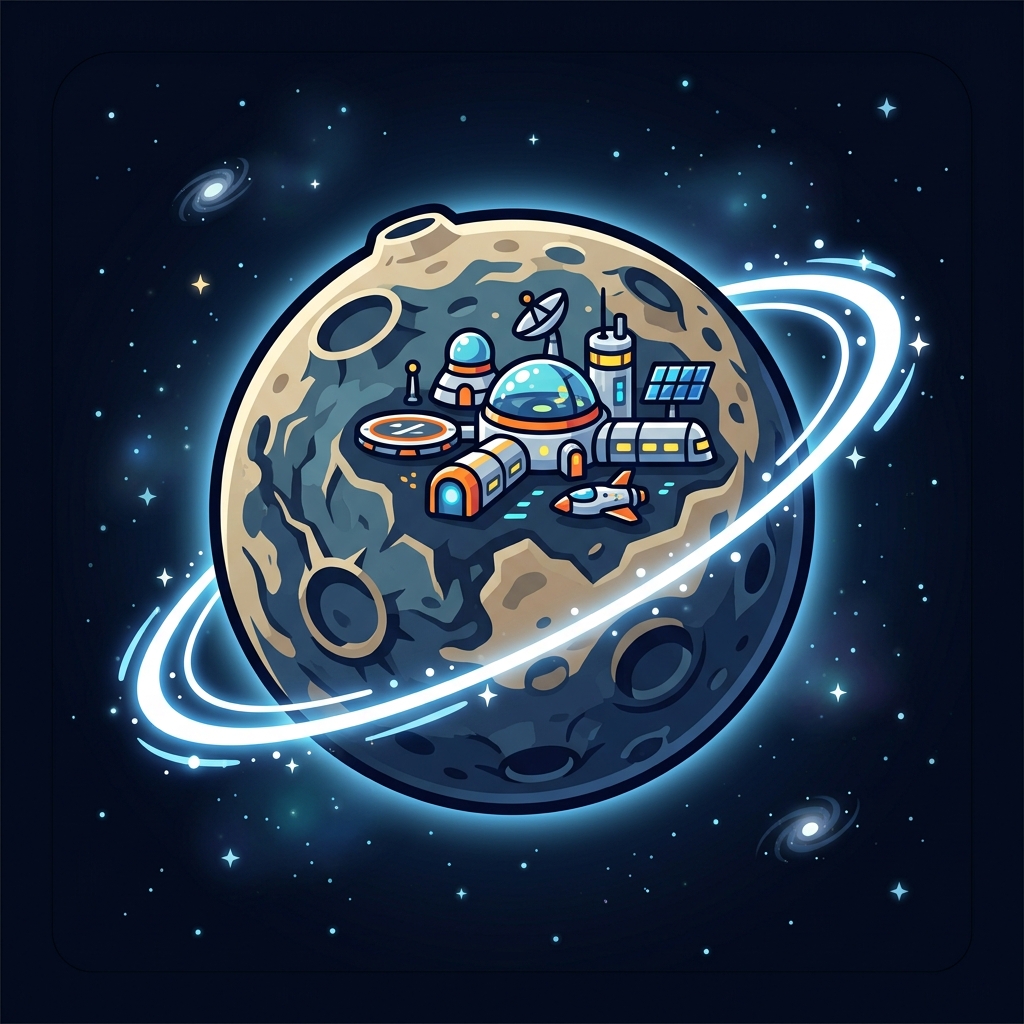
Planet 2
Luna Base
More consonants and the start of blending
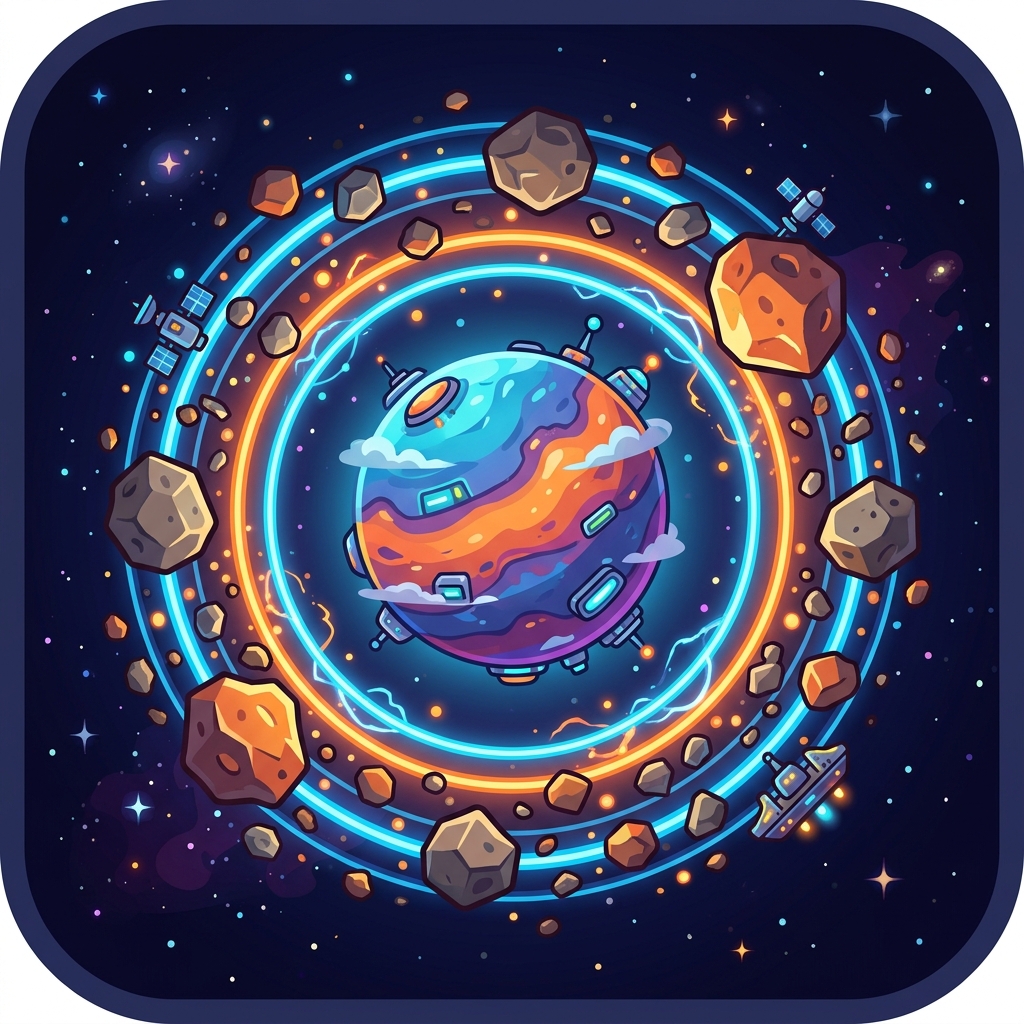
Planet 3
Asteroid Belt
Consonant clusters and doubled letters
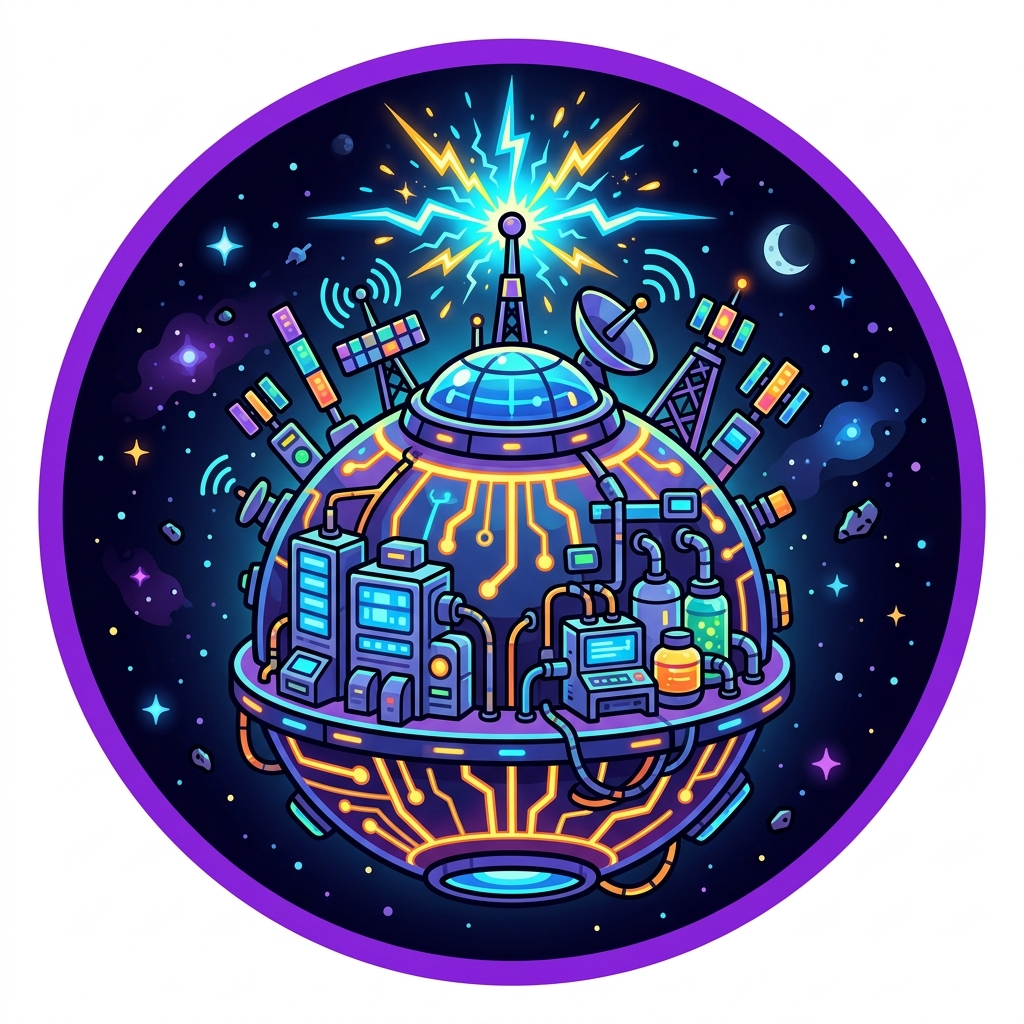
Planet 4
Signal Station
Digraphs — sh, ch, th, wh, ng
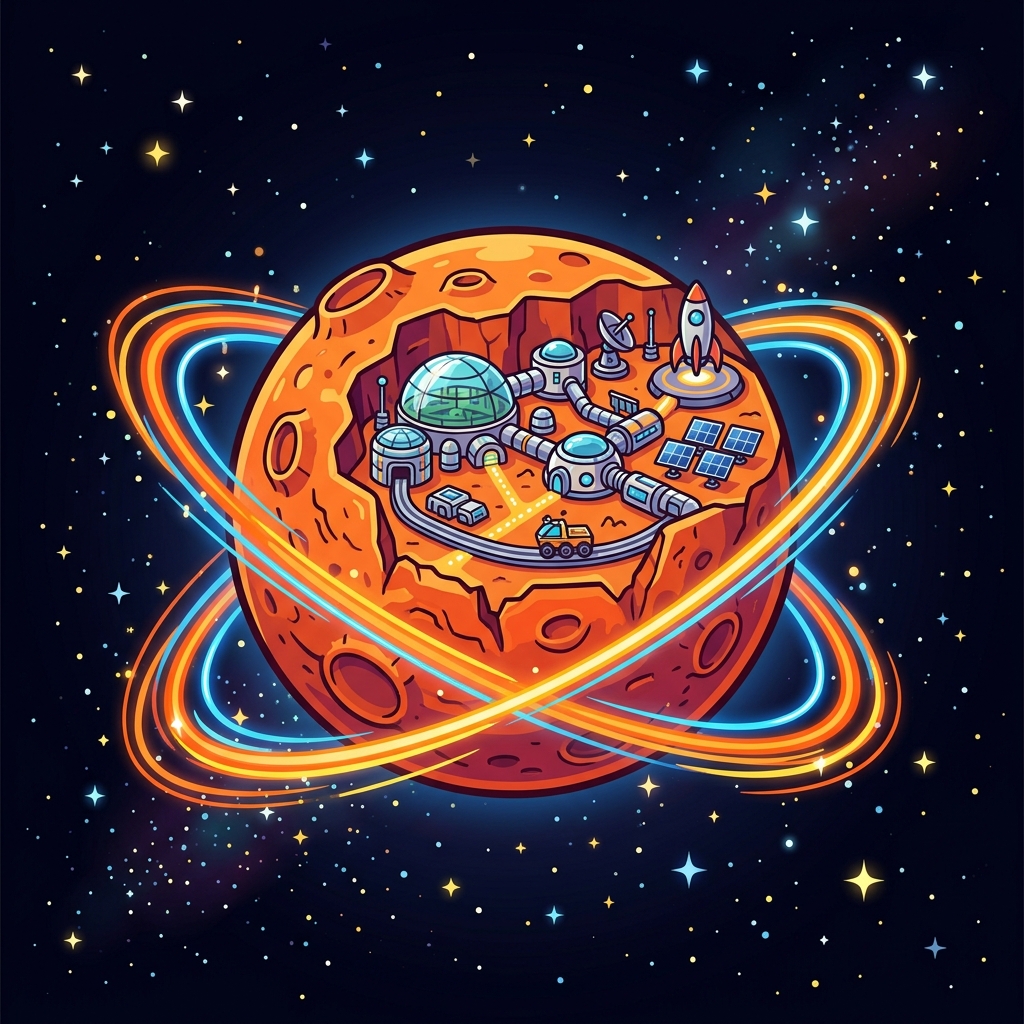
Planet 5
Mars Outpost
Consonant blends and clusters

Planet 6
Ice Moon
The CVCe pattern (silent e)
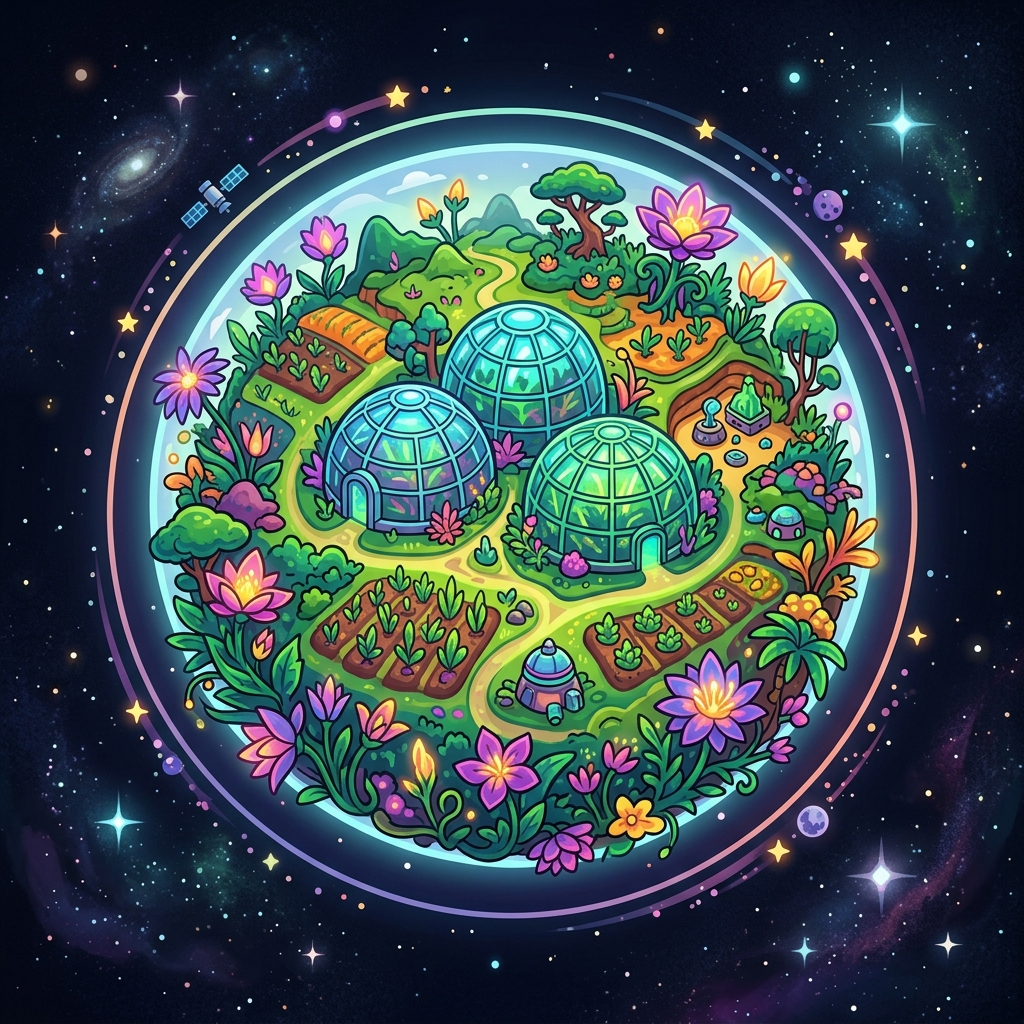
Planet 7
Star Farm
R-controlled vowels — ar, or, er, ir, ur

Planet 8
Chef Nebula
Vowel digraphs — ee, ea, ai, ay, oa, ow, igh, oo

Planet 9
Block World
Complex diphthongs — ou, ow, oi, oy, au, aw
Planet 10
Deep Space
Advanced patterns — silent letters, soft c/g, letter doubling
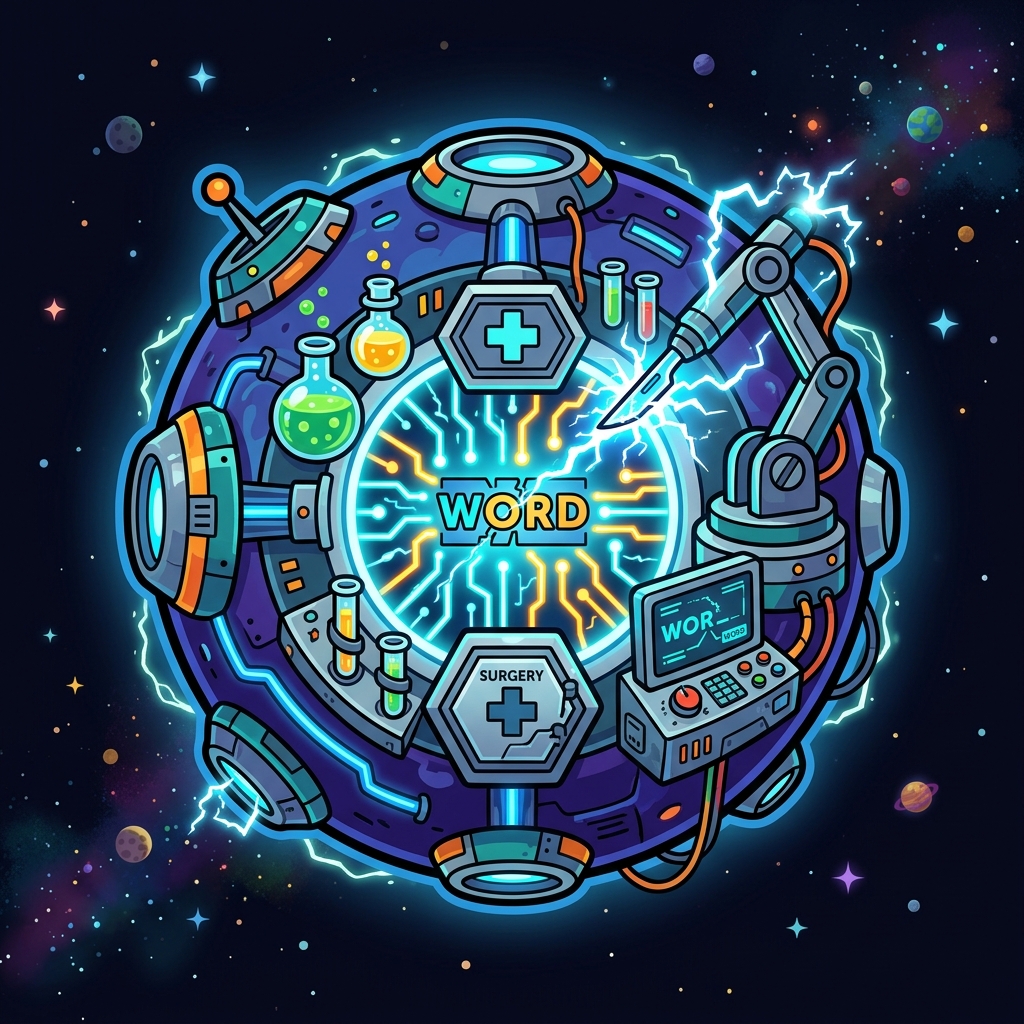
Planet 11
Word Surgery Station
Morphology — suffixes, prefixes, and compound words
Ready for the first mission?
Set up the family account, tell us where your child is today, and launch a first mission built for exactly that spot.
7 days free · $9.99 / month after · Cancel online